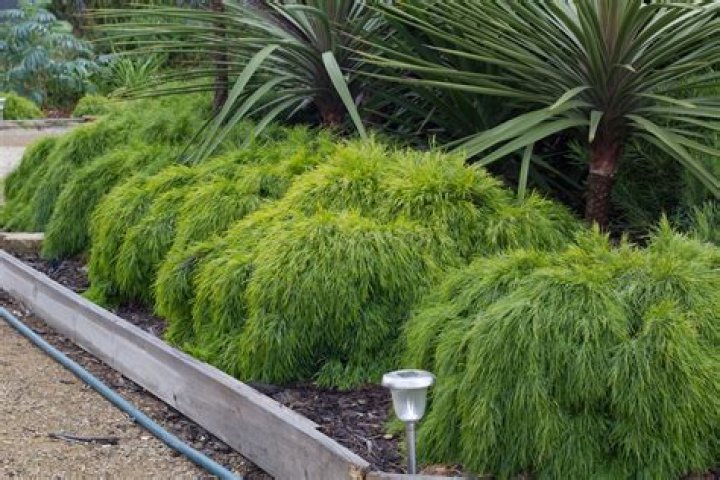
The common crapemyrtle grows to a height of 15–25′ and a spread of 6–15′ at maturity.
Can a crepe myrtle be a bush?
Species of crape myrtle bushes can be small, compact dwarf shrubs or large, towering floral bushes. As long as you plant the shrubs in full sun and warm climates, crape myrtles will flower year after year.
Is there a difference between a crepe myrtle bush and tree?
Crape Myrtles are TREES and that means they grow TALL from 20 – 40′ in height. They have been lovingly referred to as the Lilac of the South (with no fragrance) with a very long bloom time in the summer.
How long does it take for a crepe myrtle bush to grow?
Growth Rate of Common Crape Myrtles
This myrtle, like all myrtles, thrives in full sunlight and moist but well-draining soil. It has a maximum height of between 15 to 30 feet, which means it will take between about five to 10 years to reach maturity.
Where is the best place to plant crepe myrtles?
Crape Myrtles can be grown all over the USA, in any soil type. The site should be in the bright, hot sun: full or partial sun (6hrs min). No heavy shade for Crape Myrtles. If the site gets sun for part of the day then it’s fine.
What is the best time of year to plant crepe myrtles?
Late fall to early spring is the best time to plant. But a lot of folks buy and plant their crepe myrtle in summer because they select it while it is blooming. That works too, but watering well during the summer months is crucial to transitioning it into your garden.
How do you turn a crepe myrtle into a bush?
Selectively prune upper branches along each stem to shape a flowing, open canopy. Remove branches that cross one another or grow through the interior of the crown. As the crapemyrtle grows, continue to remove lower branches and any suckers that emerge from the base of the plant.
How do you plant a crape myrtle bush?
Find a Sunny Location. Decide where in your garden the crape myrtle should go. Choose a Variety. Choose a variety that won’t outgrow its space or need to be constantly pruned. Dig a Hole. Dig a hole three to four times as wide as the container. Plant the Tree. Water Gently. Mulch with Pine Straw.
What happens if you don’t prune crepe myrtles?
Leaving it alone will result in a pretty raggedy-looking tree, and it won’t grow as quickly either. The new growth will emerge on its own from the fresh cuts, and if you trim at just the right point, you’ll encourage way more blooms to appear.
What is a myrtle bush?
The Myrtle Tree (or Myrtus communis) is a dwarf tree or shrub that’s cherished for its abundance of dainty, evergreen leaves that adorn the branches year round. In summer, the tree blooms with gorgeous star-like blooms that release their fragrance into the air.
How close can I plant a crape myrtle to my house?
Plant large type crape myrtles a minimum of 6ft away from a structure (house, etc).
Do crepe myrtles have invasive roots?
Crepe myrtle trees are lovely, delicate trees offering bright, spectacular flowers in the summer and beautiful fall color when the weather begins to chill. But are crepe myrtle roots invasive enough to cause problems? You don’t have to worry about this issue because crepe myrtle tree roots are not invasive.
Do crepe myrtles bloom first year?
Most years, crape myrtles start blooming between mid-May and early June. Flowering continues for 90-120 days depending on the variety.
Are crepe myrtles messy?
Crape myrtles also require pruning to promote the new growth needed for blooming, to reveal the bark, and to keep the shrub or tree tidy. Moreover, with its flowers, leaves and peeling bark, crape myrtles can be messy to care for. Be prepared for plenty of raking and clean-up.
Should you mulch crepe myrtles?
When planting crape myrtles, gardeners should install a layer of mulch about 3 to 5 inches deep in an area twice as large as the planting hole. Insect damage is a frequent problem on crape myrtles and aphids cause much of that damage.
Are crepe myrtles poisonous to dogs?
Crepe Myrtles (scientific name “Lagerstroemia indica”) are not poisonous to dogs at all, according to the ASPCA. From the top of the tree’s canopy to the very roots that are underground, this tree will not harm your sniffing pups.